The art of layering: how to stylishly combine clothing layers this season
The art of layering: how to stylishly combine clothing layers this season
Some trends come and go, while others find a permanent place in our wardrobes. Layering belongs to the latter category: the technique of layering garments has been gaining ground for seasons, and this autumn-winter it is once again, without a doubt, the favorite style resource for those who know how to dress well in cold weather.
At BIMANI, we believe that layering is much more than just putting on several garments to stay warm. Done well, it's a style exercise that allows you to play with textures, volumes, and color layers to create looks with their own personality. Here we tell you exactly what it is, what its golden rules are, and how to apply it with pieces that are already part of our collection.
Some trends come and go, while others find a permanent place in our wardrobes. Layering belongs to the latter category: the technique of layering clothes has been gaining ground for seasons, and this autumn-winter, it is once again, without a doubt, the favorite styling resource for those who know how to dress well in the cold.
At BIMANI, we believe that layering is much more than just putting on several garments to stay warm. Done well, it's a styling exercise that allows you to play with textures, volumes, and layers of color to create looks with their own personality. Here we tell you exactly what it is, what its golden rules are, and how to apply it with pieces that are already part of our collection.
What is layering and why is it trending this season?
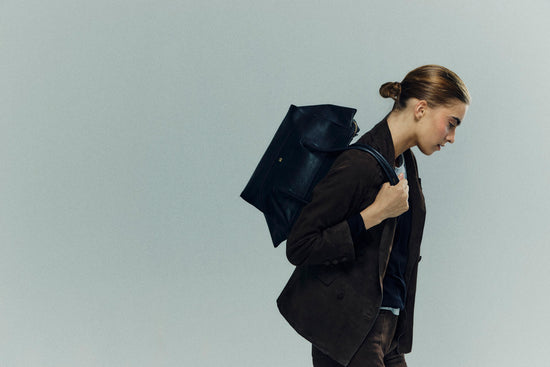
The term layering comes from the English word "layer" and defines the art of intentionally combining several superimposed garments, not just for thermal necessity. The technique has roots in 1980s fashion, when wearing t-shirts under dresses became popular, but it has evolved to become one of the hallmarks of current street style.
Its success has a simple explanation: layering is as practical as it is flattering. It allows the same look to be adapted to daily temperature changes, extends the lifespan of transitional garments, and, when done wisely, flatters the figure by playing with proportions. It's no coincidence that it's one of the most recurring trends on runways and streets every time cold weather arrives.
What is layering and why is it trending this season?
The term layering comes from the English word "layer" and defines the art of intentionally combining several superimposed garments, not just for thermal necessity. The technique has roots in 1980s fashion, when wearing t-shirts under dresses became popular, but it has evolved into one of the hallmarks of current street style.
Its success has a simple explanation: layering is as practical as it is flattering. It allows the same look to adapt to daily temperature changes, extends the useful life of transitional garments, and, when done thoughtfully, stylizes the figure by playing with proportions. It's no coincidence that it's one of the most frequently seen trends on runways and streets every time the cold weather arrives.
-
Regular price 425€
-
Regular price 89€
-
Regular price 99€

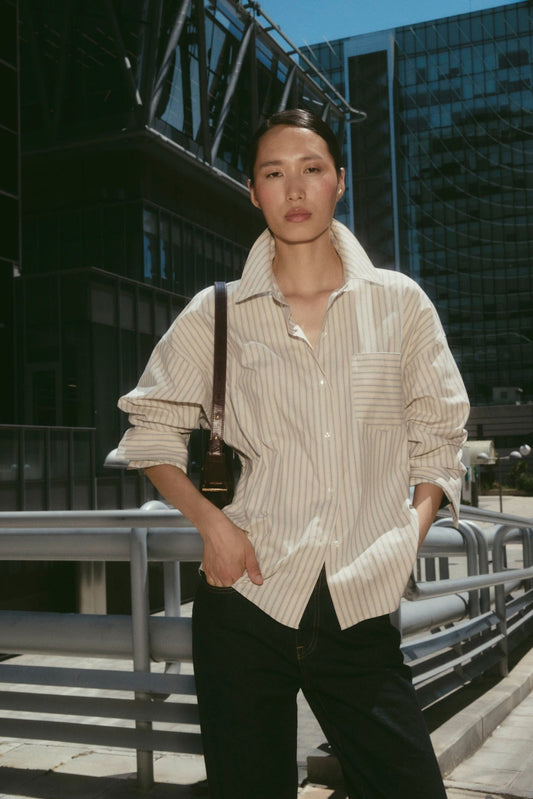

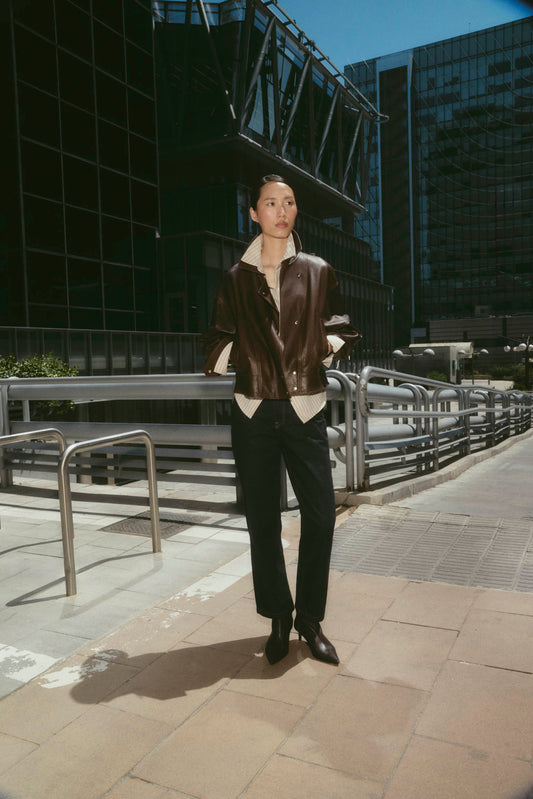

The golden rules of layering (that never fail)
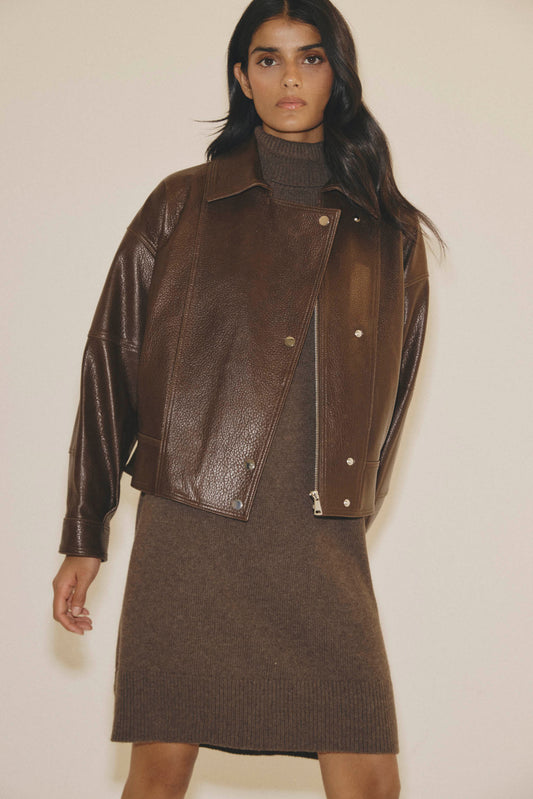
Layering clothes without criteria can add too much bulk and detract from the elegance of the outfit. These are the basic rules to always get it right.
The golden rules of layering (that never fail)
Layering clothes without a plan can add too much bulk and detract from the elegance of an outfit. These are the basic rules for always getting it right.
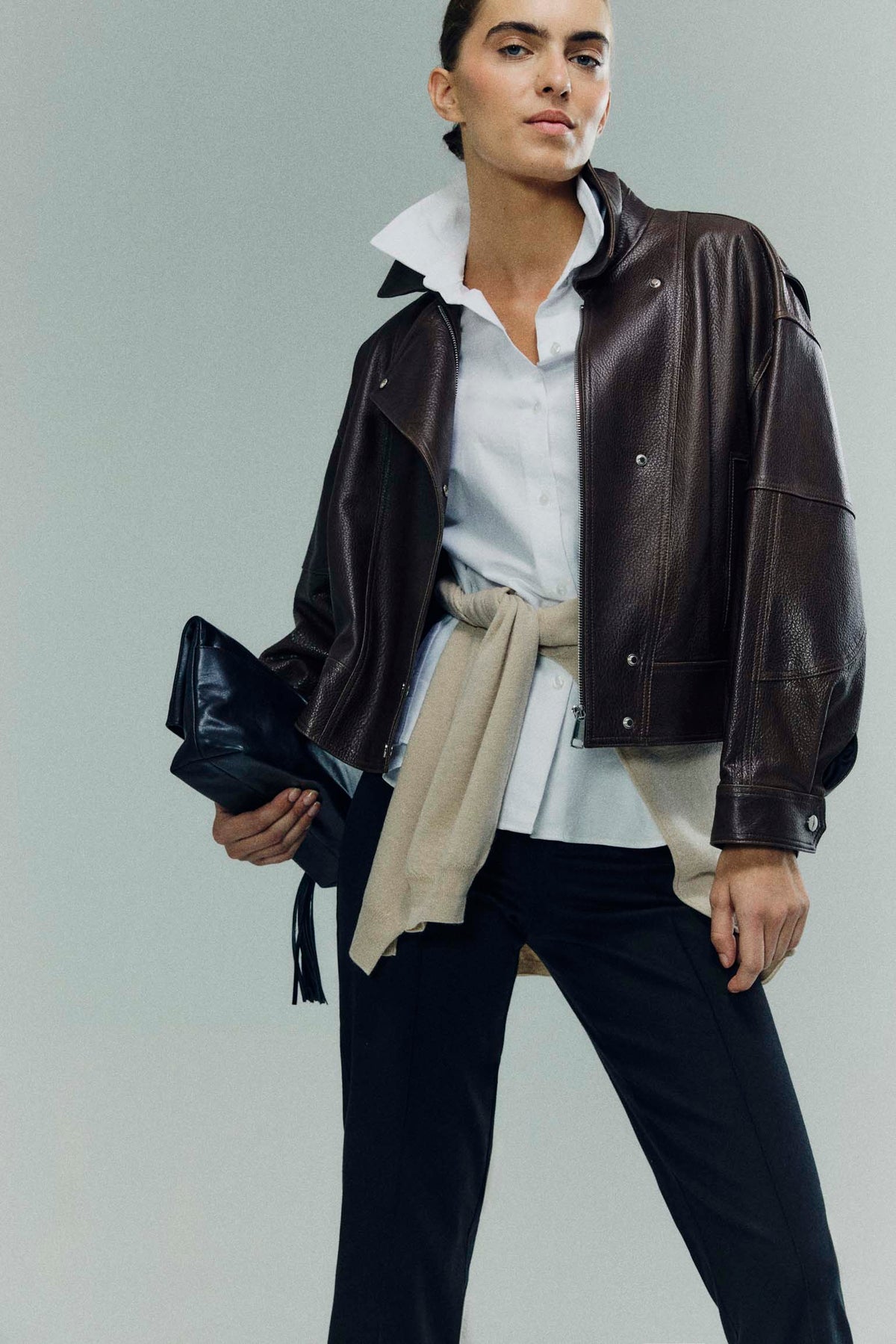
1. Play with textures, not just garments
1. Play with textures, not just garments
Good layering combines different materials: knit, leather, cotton, mohair, or silk. Mixing textures is what gives visual depth to the look and prevents it from looking like you've simply put "one thing on top of another." Our white Vinci shirt Vinci White Shirt | BIMANI under a mohair shawl Mohair White Shawl | BIMANI, for example, already creates that contrast between structured and fluffy that makes all the difference.
Good layering combines different materials: knit, leather, cotton, mohair, or silk. Mixing textures is what gives visual depth to the look and prevents it from looking like you've simply put "one thing on top of another." Our white Vinci shirt Vinci White Shirt | BIMANI under a mohair shawl White Mohair Shawl | BIMANI, for example, already creates that contrast between structured and fluffy that makes all the difference.
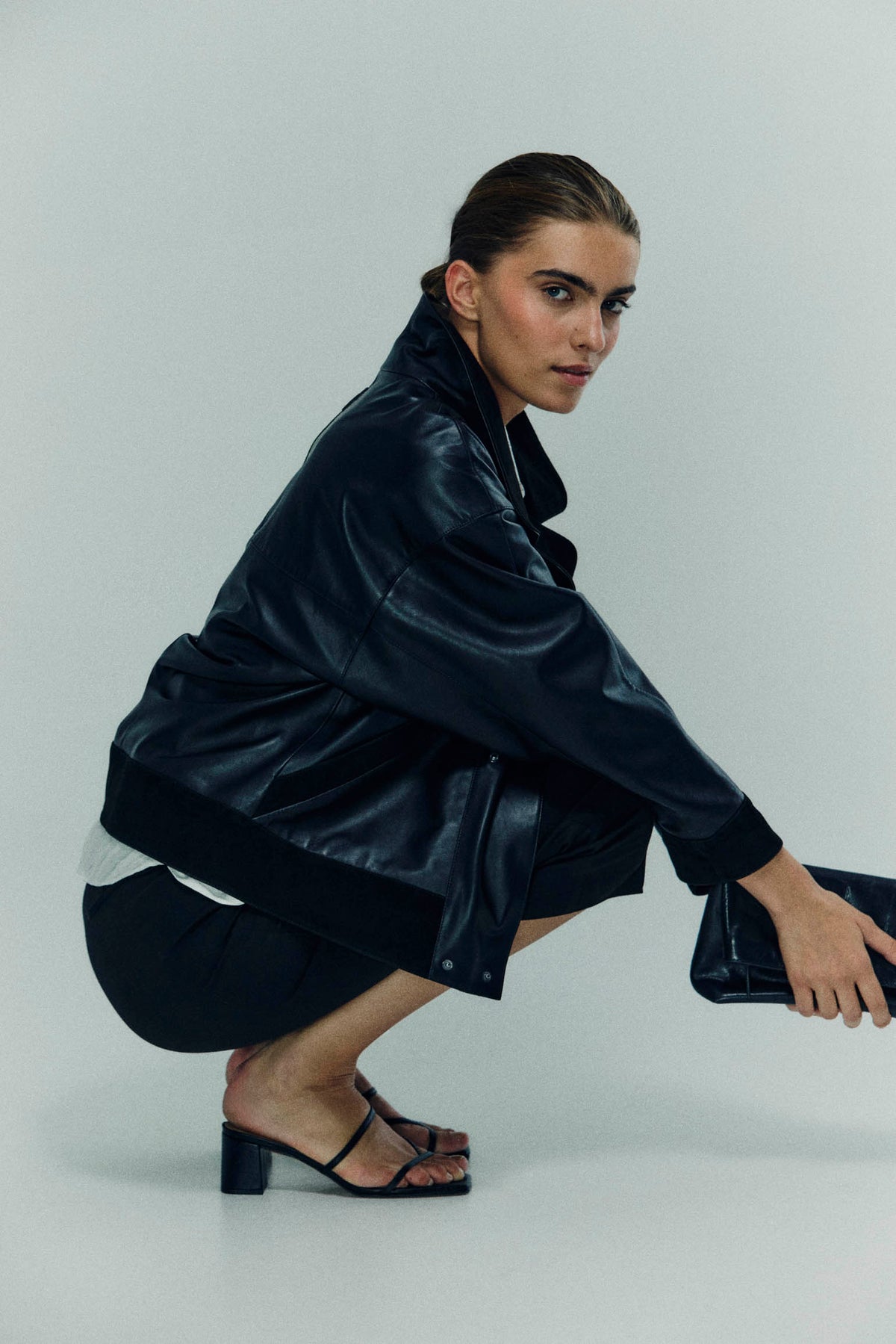
2. Take care of the proportions and lengths
2. Pay attention to the proportions and lengths
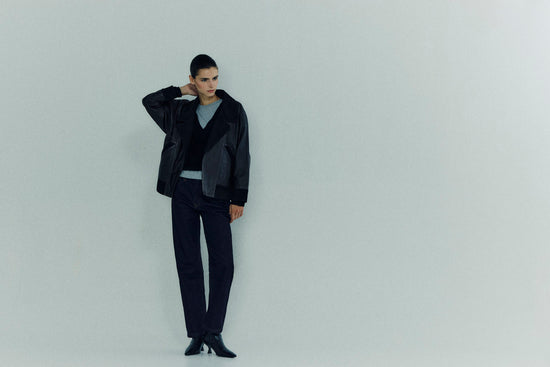
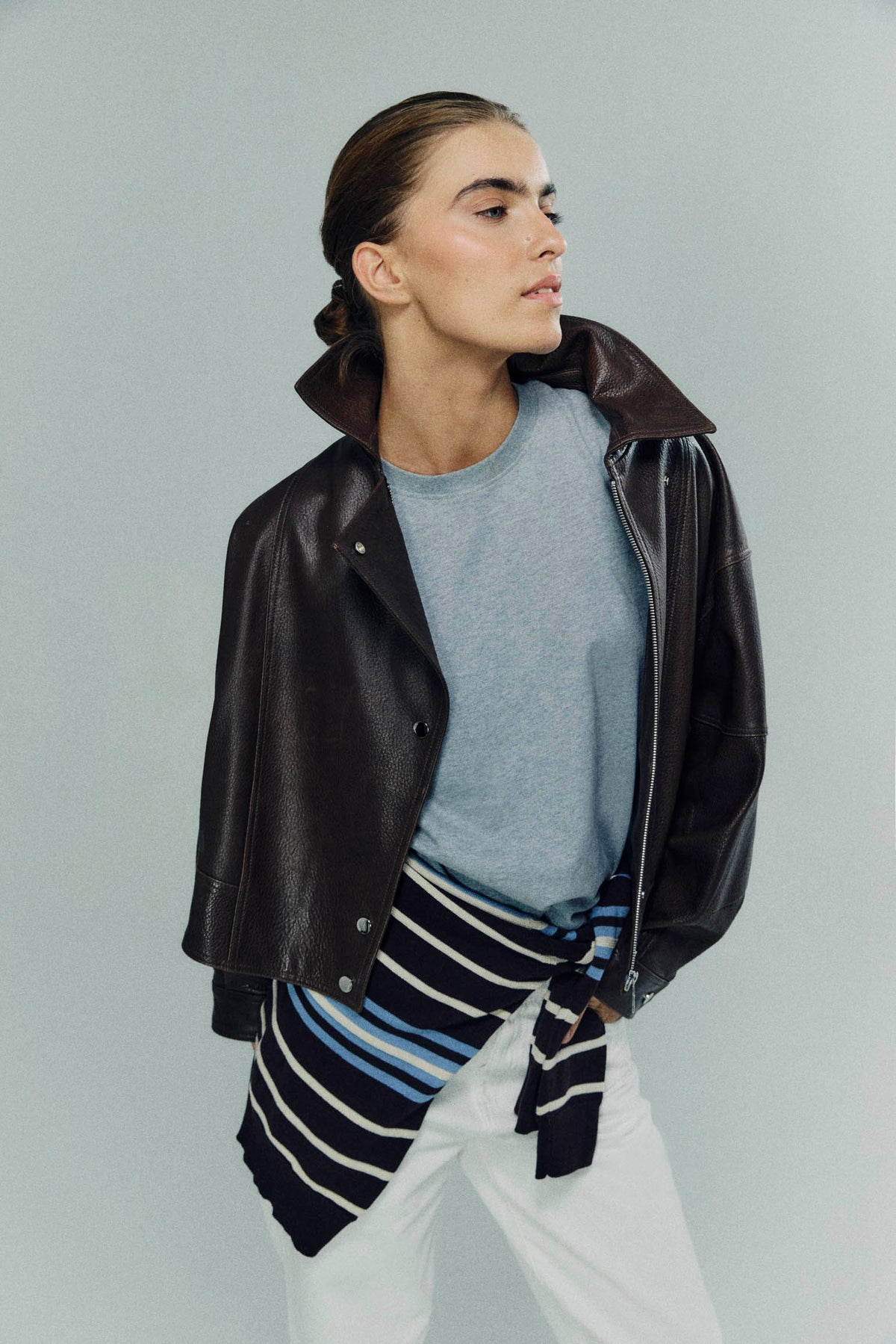
The unwritten rule of layering is that each layer should peek out slightly from under the previous one, from the inside out: the shortest garment always goes on top. If you mix lengths without order, the effect is messy instead of stylish. Before leaving home, check in the mirror that each layer is clearly visible. If something doesn't fit, you can try putting one of the layers over your shoulders or around your waist, as in this look: HAILEY Black Pants |BIMANI
The unwritten rule of layering is that each layer should peek out a little from under the previous one, from the inside out: the shortest garment always goes on top. If you mix lengths without order, the effect is messy instead of stylish. Before leaving home, check in the mirror that each layer is clearly visible. If something doesn't fit, you can try putting one of the layers over your shoulders or around your waist as in this look: HAILEY Black Trousers |BIMANI
3. Opt for a controlled color palette
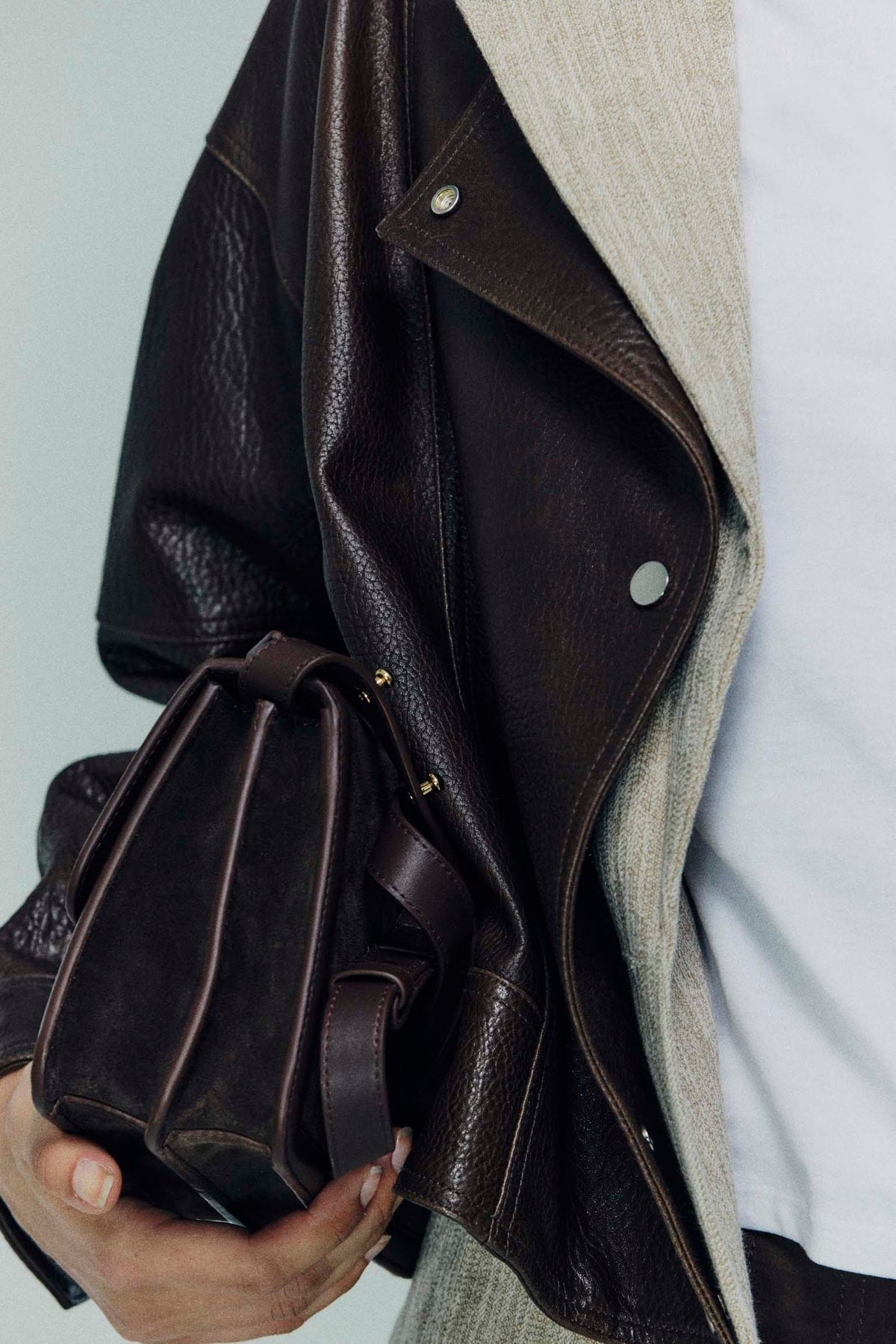
3. Opt for a controlled color palette
Monochromatic looks or those with a neutral color palette (camel, ecru, grey, black) are the safest bet for layering, especially if you are just starting to master the technique. Once you get the hang of it, you can introduce an accent color in a single piece, such as a mohair poncho or a scarf, to add a different touch without overwhelming the outfit.
Monochromatic looks or those with a palette of neutral tones (camel, ecru, gray, black) are the safest bet for layering, especially if you are just starting to master the technique. Once you get the hang of it, you can introduce an accent color in a single piece—a mohair poncho or a scarf—to add a different touch without overwhelming the outfit.
4. Do not abuse the volume
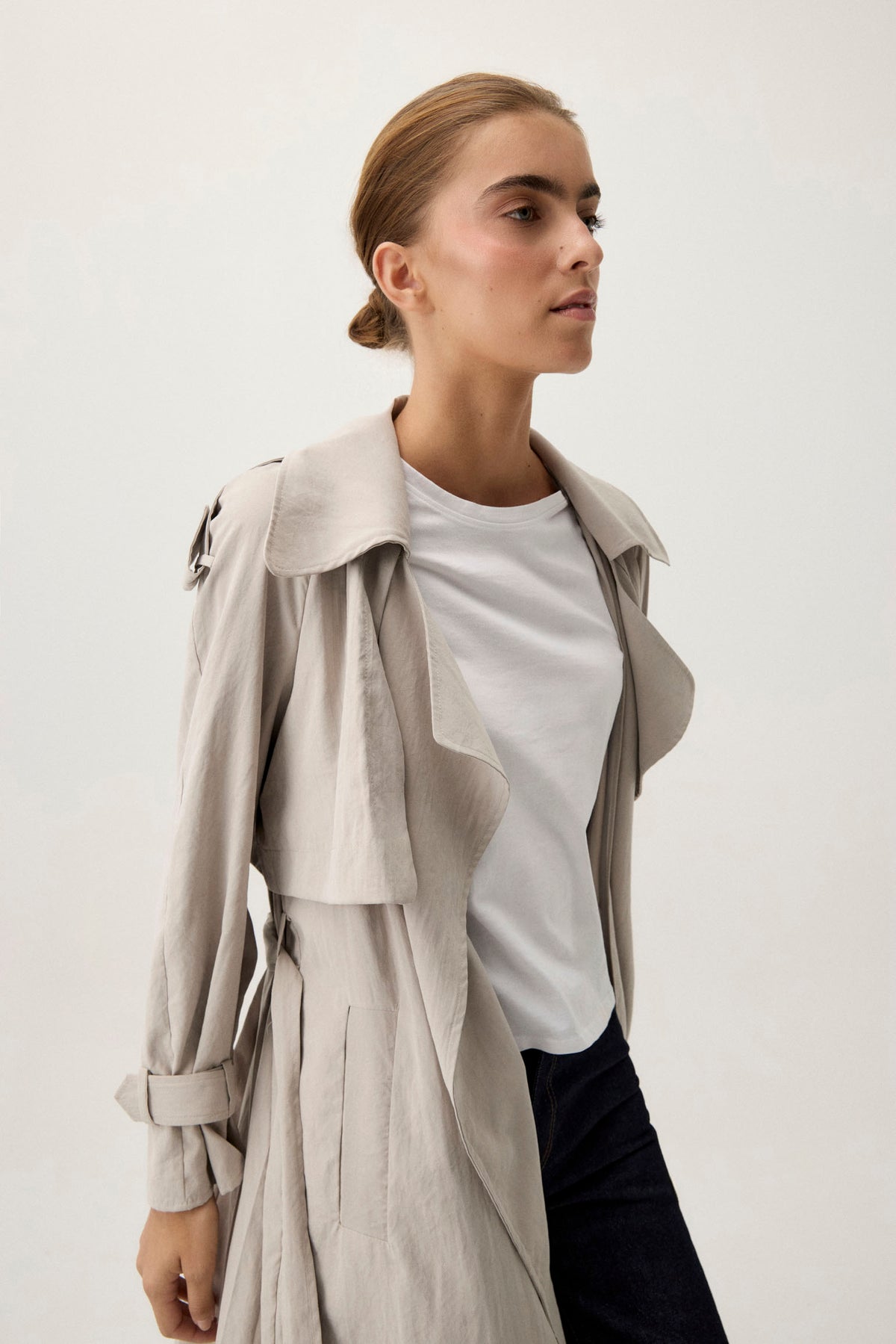
4. Do not turn the volume up too high
An oversized garment can look spectacular; two, they already start to detract. As a general rule, combine a maximum of one loose-fitting piece with others that are more fitted to the body, so that the result is still flattering and does not "swallow" the figure. That's why a fluid trench coat like the Sloanne Trench Coat SLOANNE Beige | BIMANI works so well: it adds volume in movement without adding visual weight.
An oversized garment can look spectacular; two, however, start to detract. As a general rule, combine at most one loose-fitting piece with others that are more fitted to the body, so that the result is still flattering and does not "swallow" the silhouette. That's why a flowing trench coat like the Sloanne Trench Coat SLOANNE Beige | BIMANI works so well: it adds volume in motion without adding visual weight.
Accessories: the finishing touch to your look
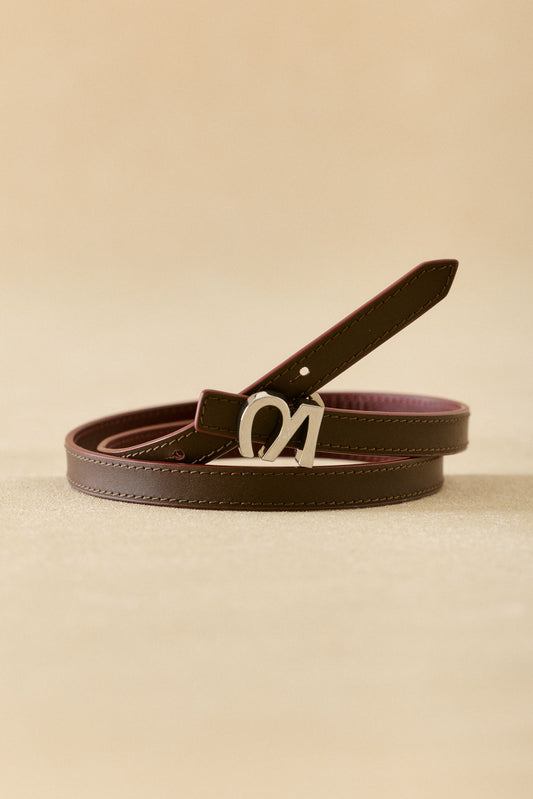
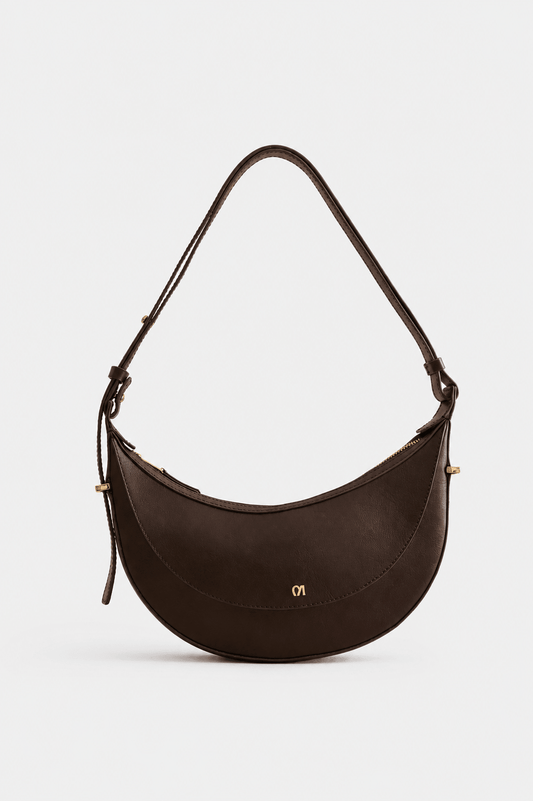
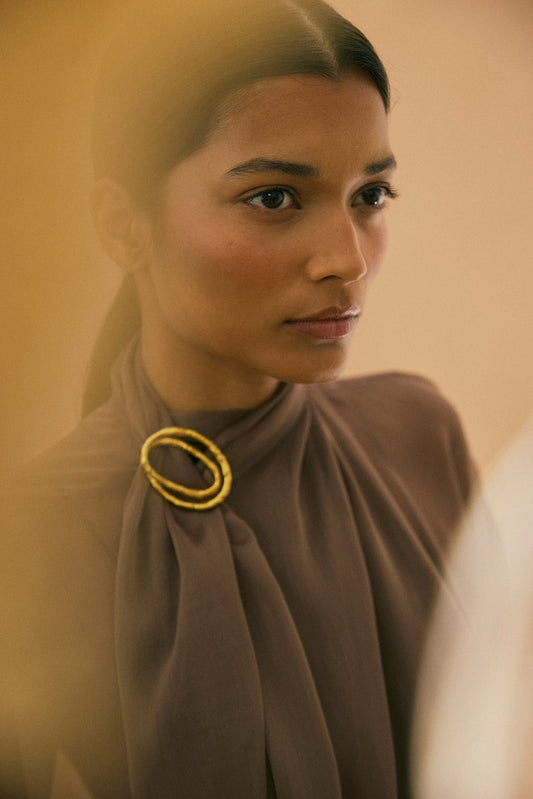
Layering doesn't end with clothes; remember that accessories are a "must." A belt cinching the waist NILO Burgundy-Brown Belt | BIMANI over a wide layer or several layered pieces of costume jewelry are the final details that transform a layered look into a look with its own signature style.
Accessories: the finishing touch to your look
Layering doesn't just apply to clothes; remember that accessories are a "must." A belt cinching the waist NILO Burgundy-Brown Belt | BIMANI over a wide cape, or several layered pieces of jewelry are the final details that transform a layered look into a signature style.
-
Regular price 75€
-
Regular price 200€
-
Regular price 199€
-
Regular price 39€


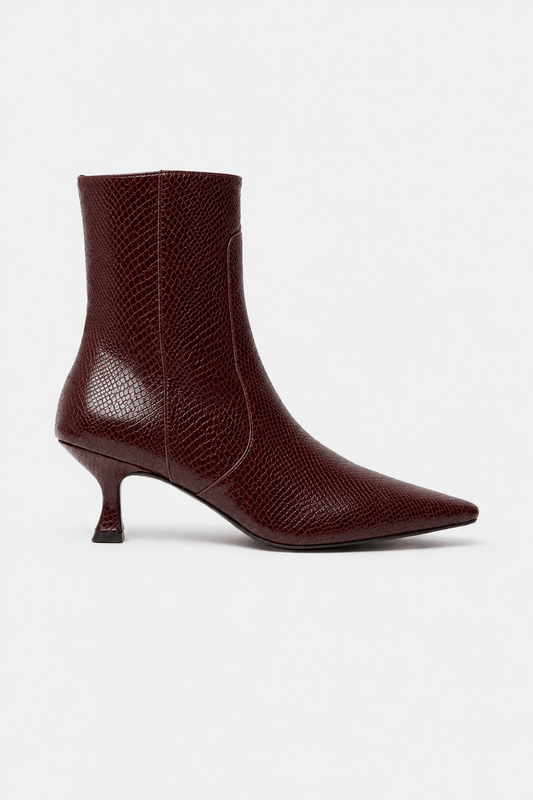


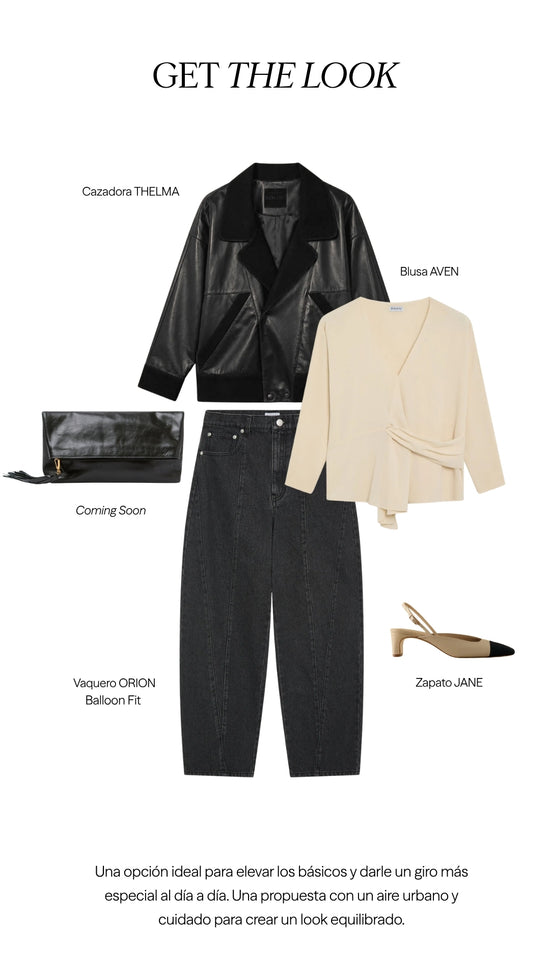
Easy-to-copy layering combinations
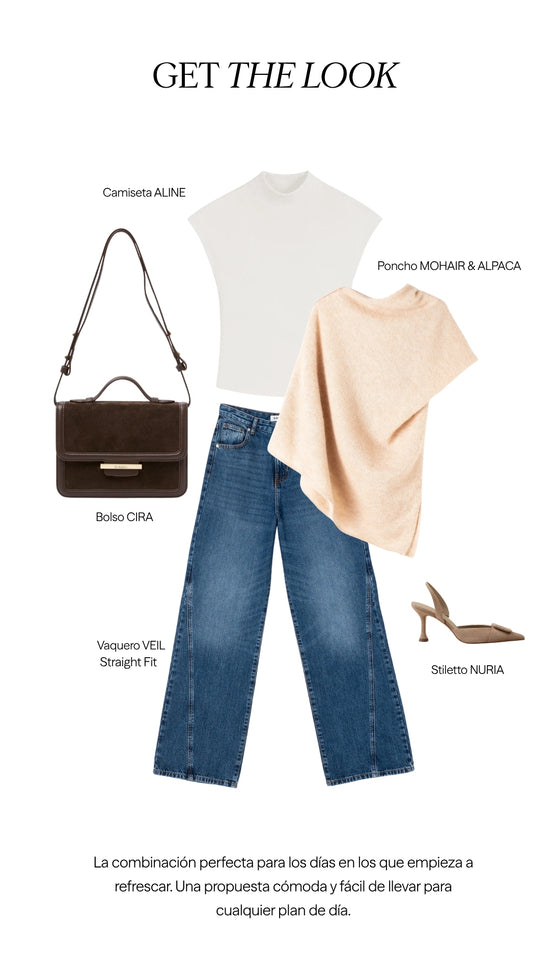
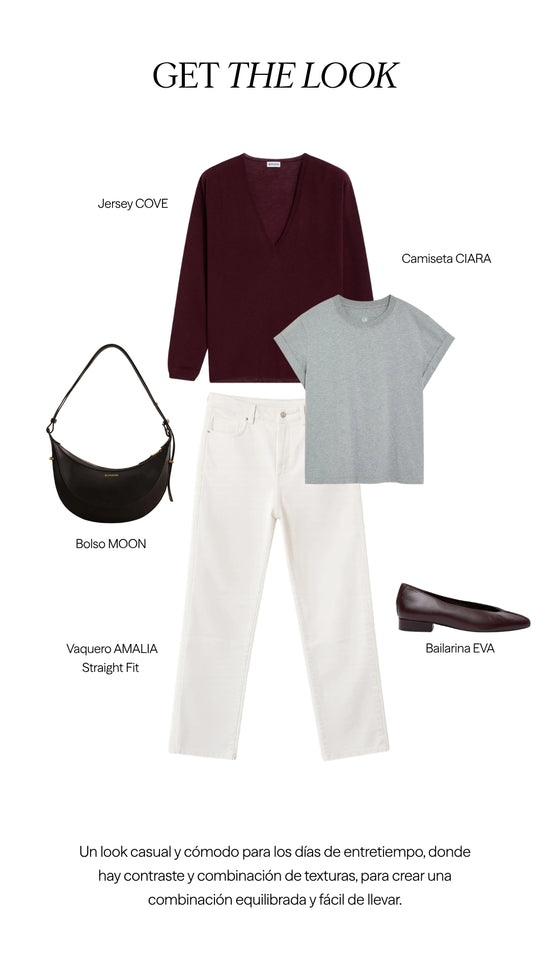
If you still find it hard to visualize, these combinations are a good starting point:
Easy-to-copy layering combinations
If you still find it hard to visualize, these combinations are a good starting point:
Layering also in guest looks
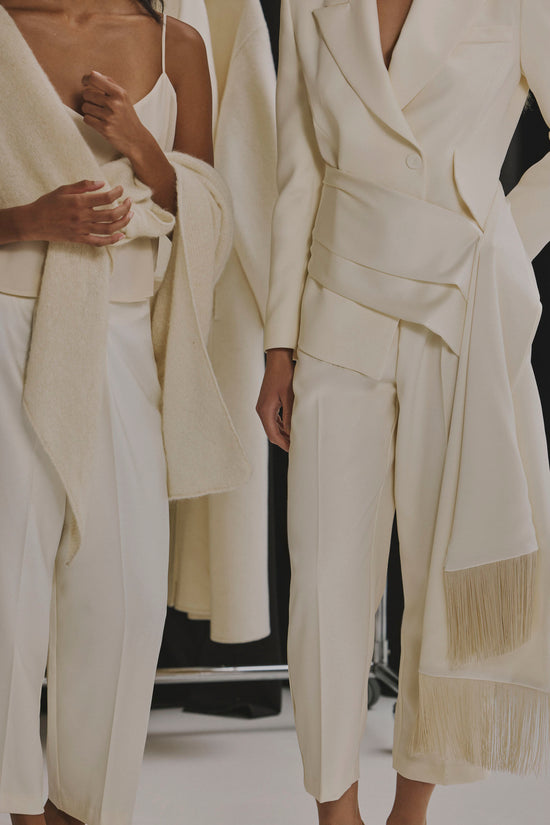
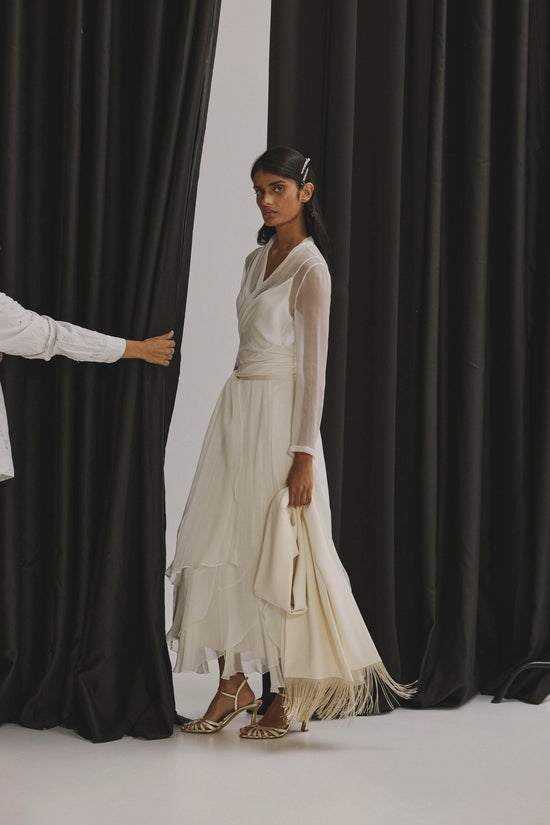
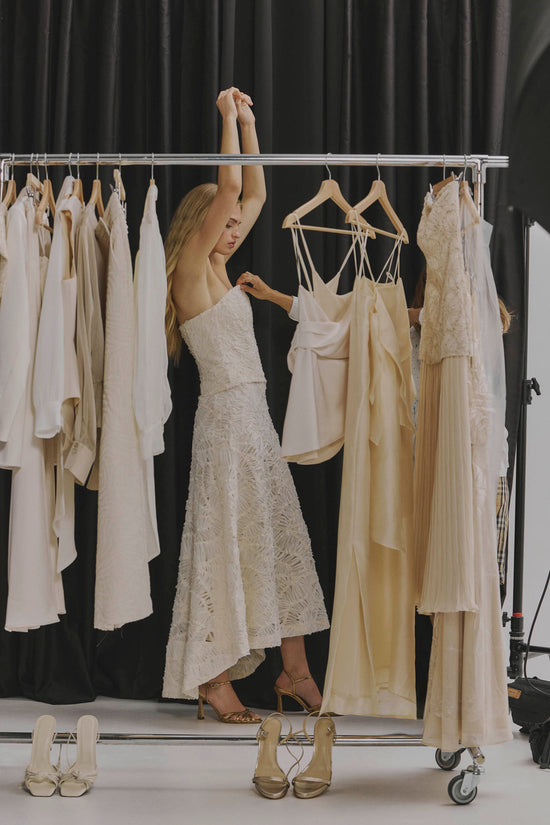
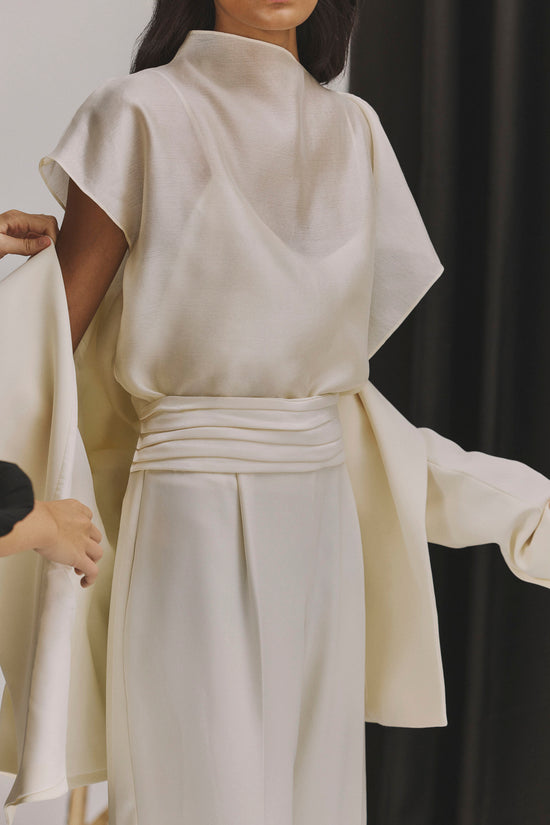
Layering also finds its place in guest looks, where layering garments and accessories becomes a way to play with the silhouette and transform the same look. In TABULA | THE WHITE EDITION, this idea takes on special prominence through dresses, tops, blazers, overskirts, and sashes that allow for different combinations to be built from the same base. A sash over a dress, a blazer over a flowing silhouette, or an overskirt that adds volume are small gestures that completely change the result. A way of understanding the guest from a more versatile, personal, and contemporary perspective.
Layering for guest looks too
Layering also finds its place in guest looks, where layering garments and accessories becomes a way to play with the silhouette and transform the same look. In TABULA | THE WHITE EDITION, this idea takes on special prominence through dresses, tops, blazers, overskirts, and sashes that allow for the construction of different combinations from the same base. A sash over a dress, a blazer over a flowing silhouette, or an overskirt that adds volume are small gestures that completely change the result. A way of understanding the guest from a more versatile, personal, and contemporary perspective.
Layering: Your Style Ally This Season
Mastering layering is, essentially, learning to look at your wardrobe differently: not as individual garments, but as pieces that combine with each other to create new looks every day. With a few basic rules, varied textures, careful proportions, and a controlled color palette, any basic item transforms into the foundation of an outfit with much more character.
At BIMANI, you'll find the perfect garments to put this technique into practice: the Vinci white shirt as a timeless base, mohair shawls and ponchos to add texture and warmth, and outerwear with its own character like the Thelma leather jacket or the flowing Sloanne trench coat. Discover the collection and start building your own layered combinations this season.
Layering, your style ally this season
Mastering layering is, at its core, learning to look at your wardrobe differently: not as individual garments, but as pieces that combine to create new looks every day. With a few basic rules, varied textures, careful proportions, and a controlled color palette, any basic transforms into the foundation of an outfit with much more character.
At BIMANI, you'll find the perfect garments to put this technique into practice: the Vinci white shirt as a timeless base, mohair shawls and ponchos to add texture and warmth, and outerwear with its own character such as the Thelma leather jacket or the Sloanne flowing trench coat. Discover the collection and start building your own layered combinations this season.